Research
Four areas spanning muscle regeneration and aging, human tissue models, space biology, and cellular resilience.
We study how metabolic state governs whether human tissues repair, adapt or decline. These four areas share experimental systems and measurement platforms, but each begins with a distinct biological problem.
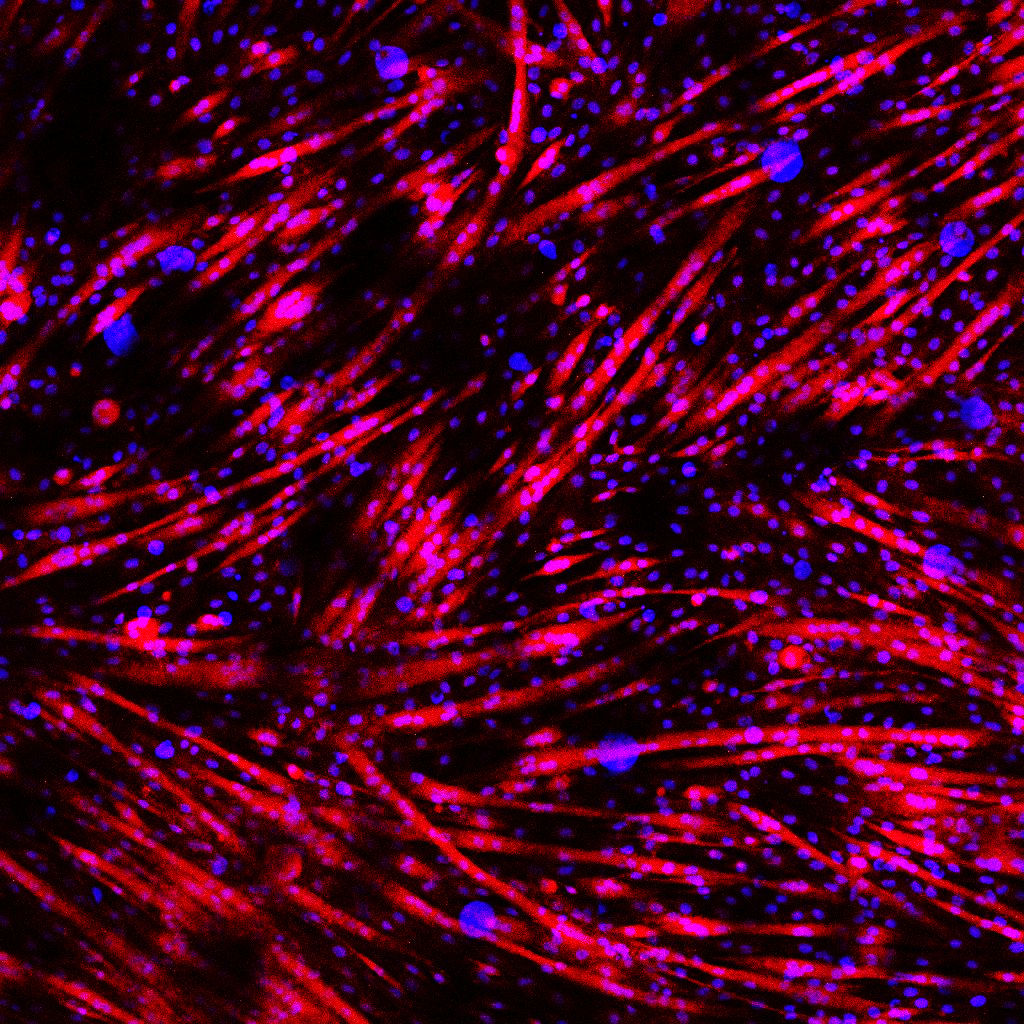
Muscle regeneration, aging and senescence
How metabolic state and lipid signalling shape muscle stem-cell decisions, tissue repair and loss of function with age.
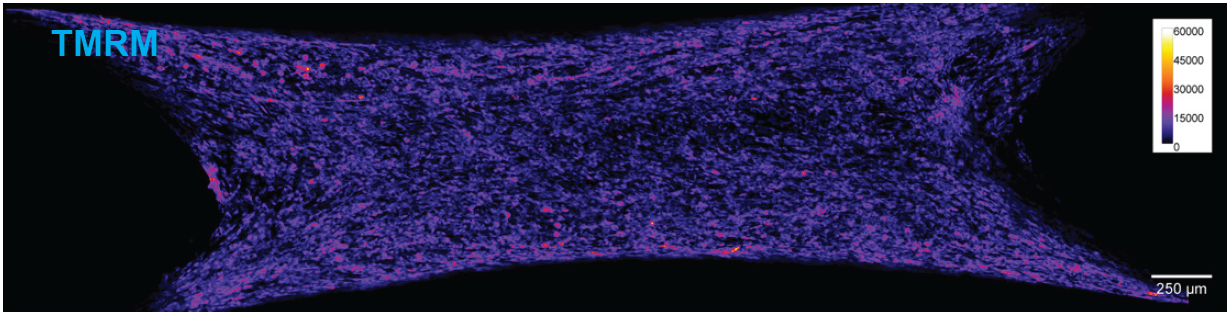
Human tissue models
Bioengineered human muscle and motor neuron–muscle co-cultures for functional studies of aging, sarcopenia and treatment response.
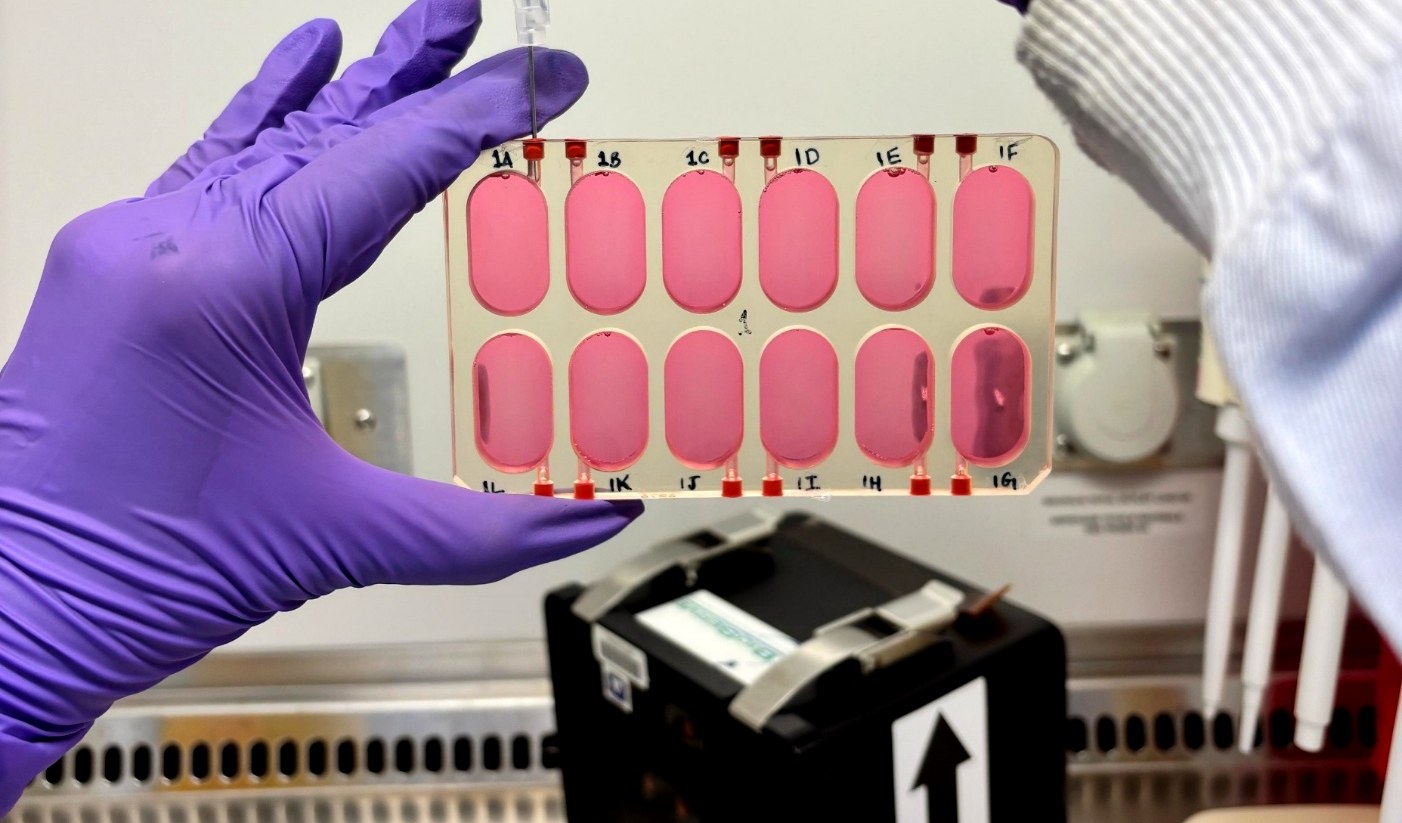
Space and microgravity biology
Human muscle stem cells in orbit, paired with ground-based simulation to investigate rapid deconditioning and recovery.
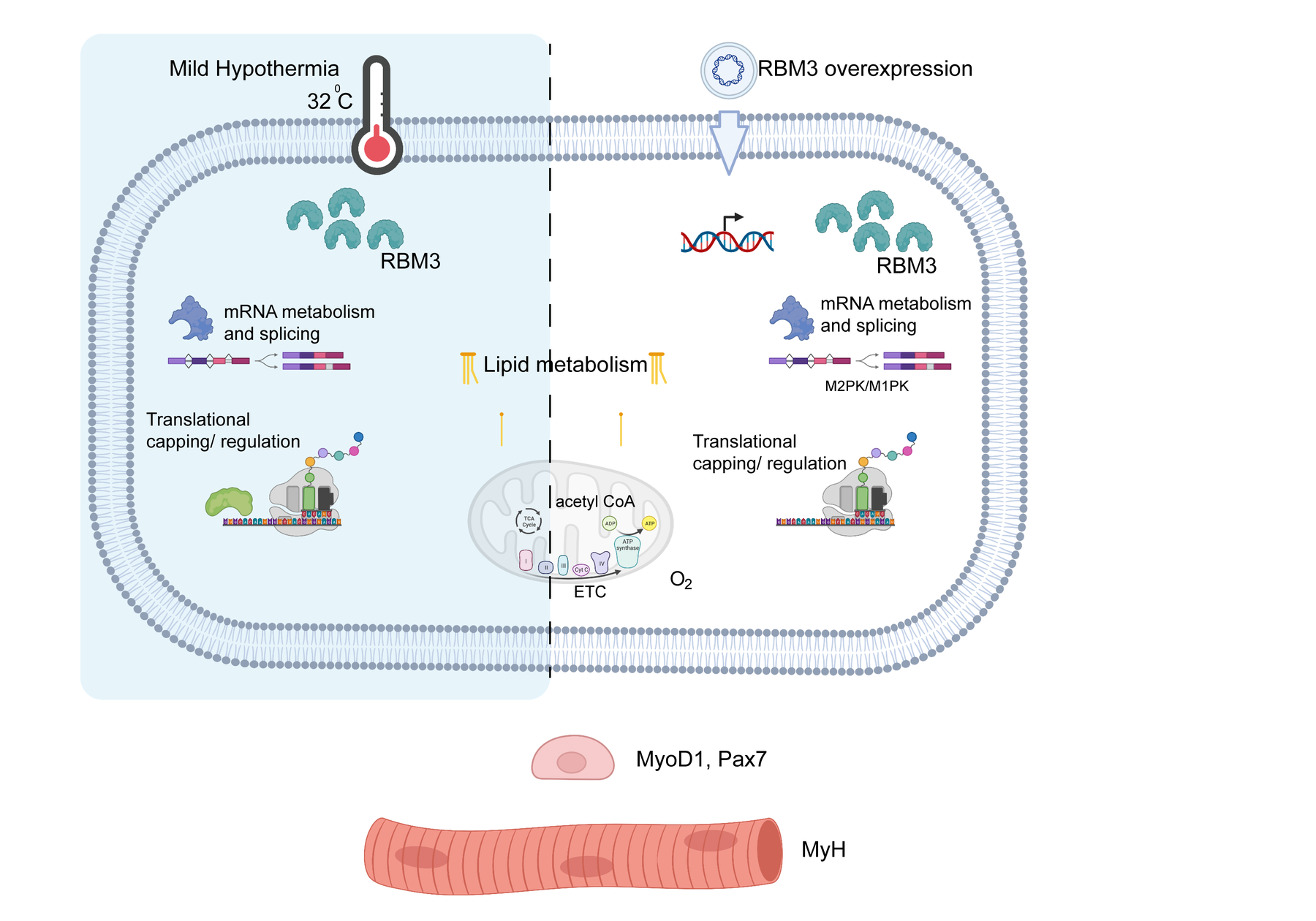
Cold and cellular resilience
How mild hypothermia and the cold-shock protein RBM3 reshape metabolism and help cells withstand environmental stress.
Skin: the same questions in a second tissue
Skin and skeletal muscle are not obvious neighbours, but they decline in similar ways. Both renew continuously from resident stem-cell pools, both lose that capacity as mitochondrial function falls and senescent cells accumulate, and both meet the environment directly. A mechanism worked out in muscle is therefore testable in skin — and one that holds in both tissues is more likely to be general than one demonstrated in either alone.
Our first step in that direction comes out of the cold work: whether the protective programmes engaged by mild hypothermia, RBM3 among them, can be induced in skin without sustained cooling. This is one line of work rather than a separate programme, and deliberately so. It begins with a mechanism we already understand, and asks how far it travels.
Where these areas lead
From mechanism to intervention
Each of the four areas above begins with a question about how muscle maintains or rebuilds itself. Several of them end somewhere more practical. The mechanisms we identify — metabolic, lipid-signalling, cold-responsive — become starting points for intervention, tested in the same bioengineered human tissue we use to study the biology and read against cohort measurements that show which changes matter in people.
This is not a fifth research area. It is the direction the others point, which is why the work sits inside them rather than beside them.
Several of these interventions are the subject of intellectual-property protection and are described here only in general terms.
Sarcopenia and precision medicine → Lipid signalling as a therapeutic target →